Reporting is only as good as your workflow.
scoopzly's Course A takes newsroom teams from story discovery through to a clean studio report — with real planning tools, real camera setups and real feedback along the way.

Course A curriculum
Everything you need to file the story
Module 1 · Self-paced
Story Discovery
Source verification, tip lines and building a defensible line of inquiry before you ever pick up a camera.
Module 2 · Self-paced
Newsroom Planning
Runsheets, editorial angles and coordinating reporters, producers and camera crews against a live rundown.
Module 3 · Studio practice
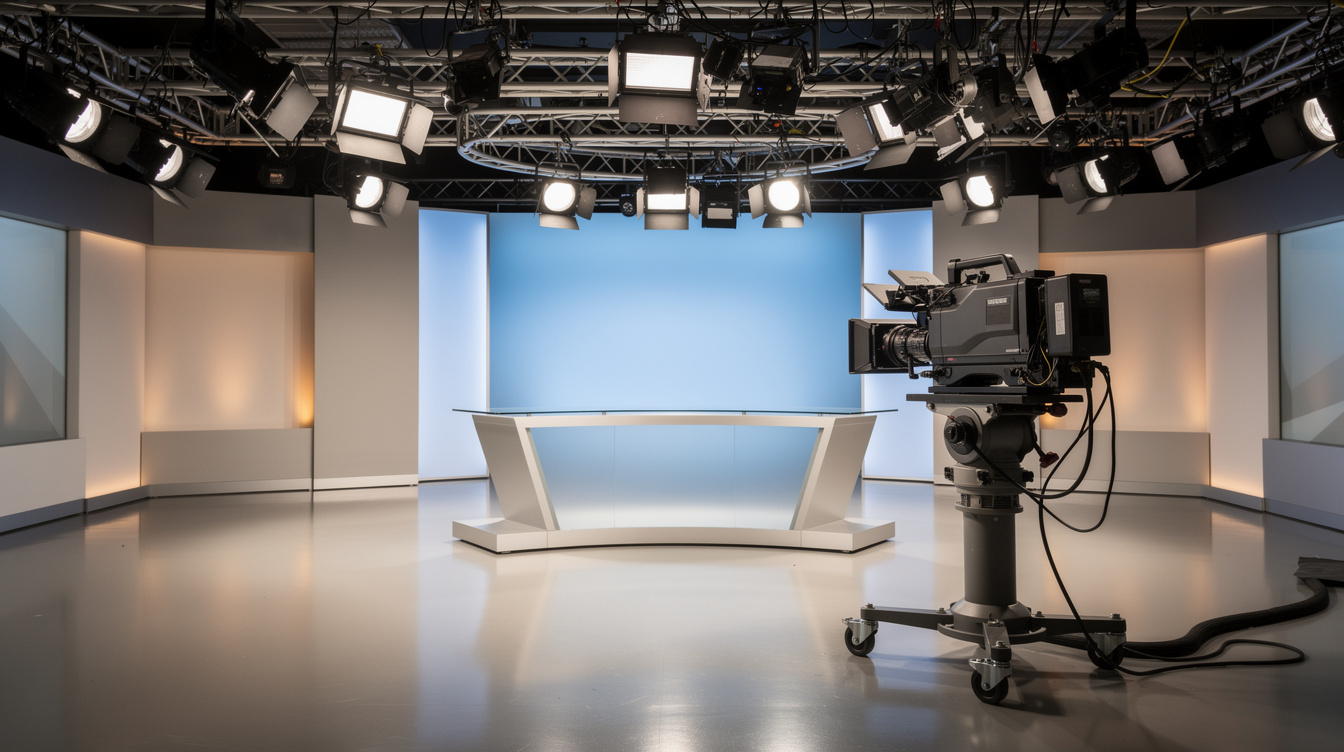
Studio Reports
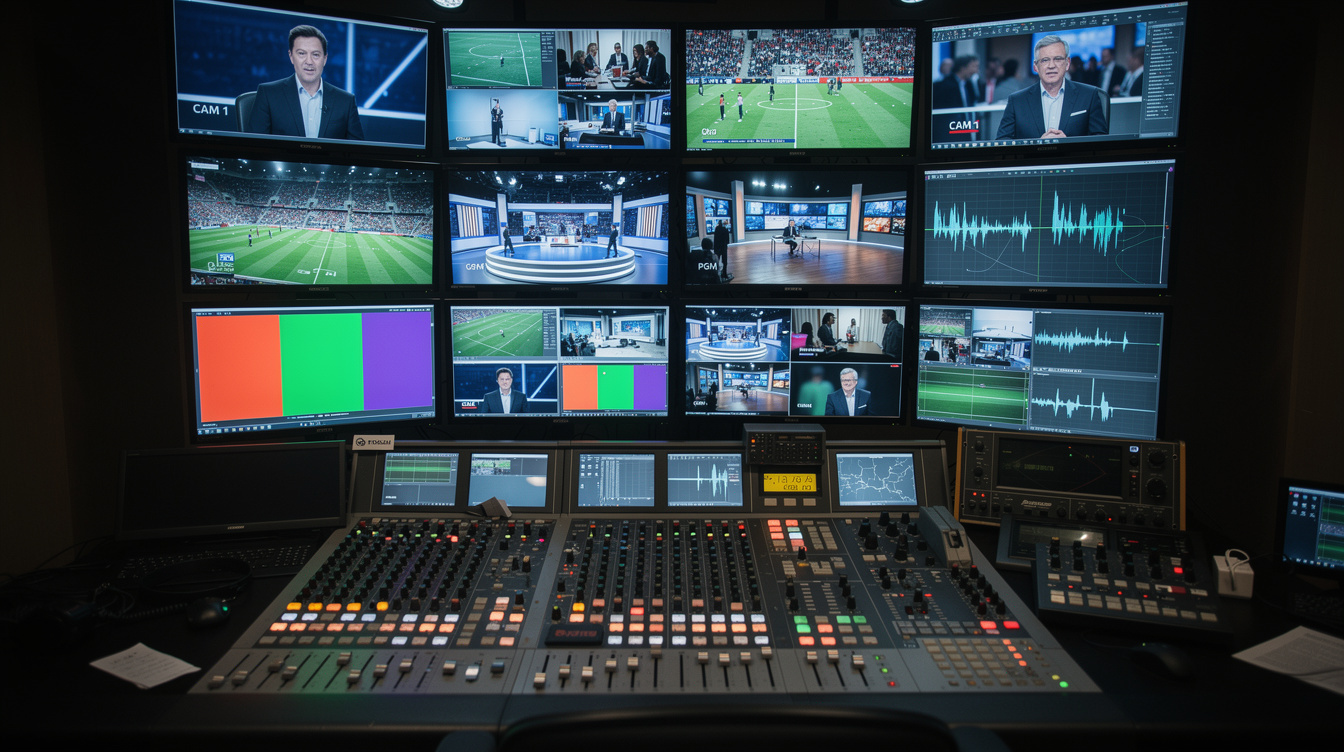
Deliver a clean, well-paced studio report under gallery talkback, with feedback from a working editor.
Module 4 · Studio practice
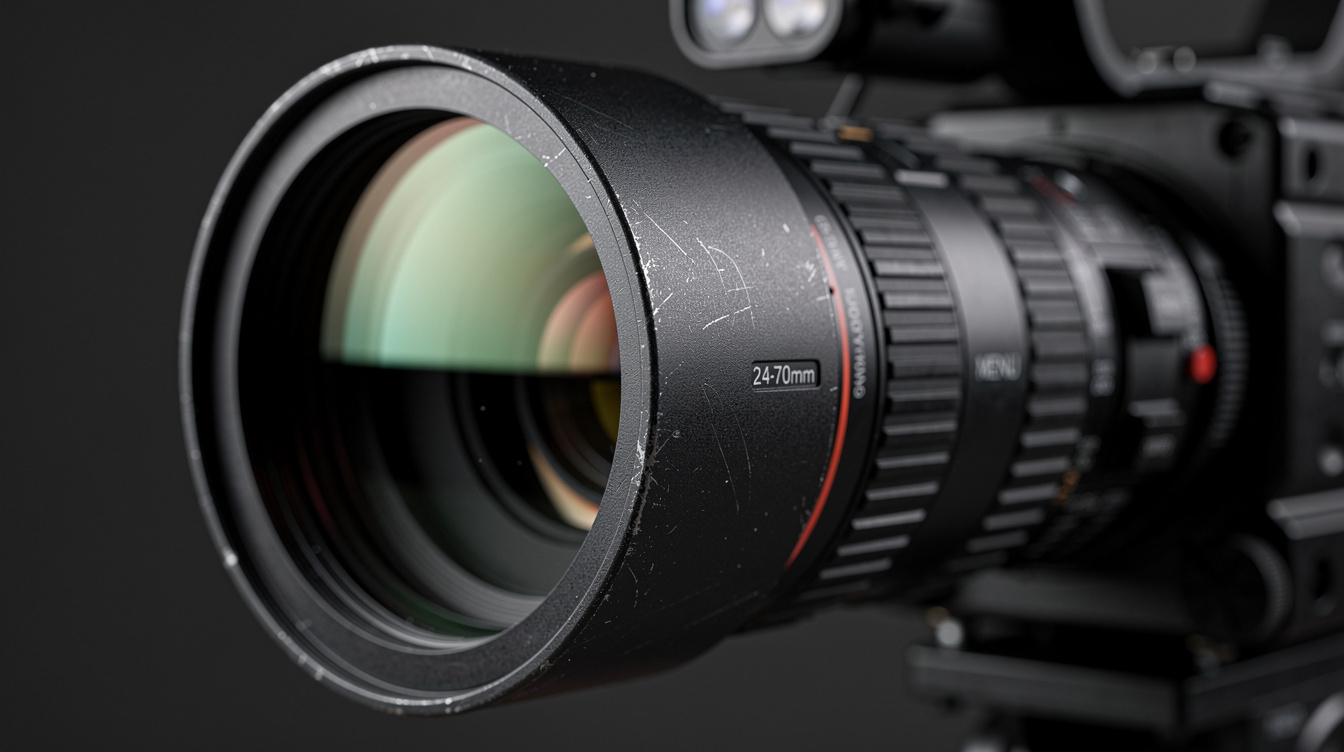
Camera Setup
Framing, lighting balance, white balance and audio gain-staging for a broadcast-ready picture.
Build and file without the chaos
Build your production plan
Map the story, assign roles and lock a runsheet before anyone touches a camera.
Rehearse studio reports
Run your piece to camera in scoopzly's practice studio with live talkback feedback.
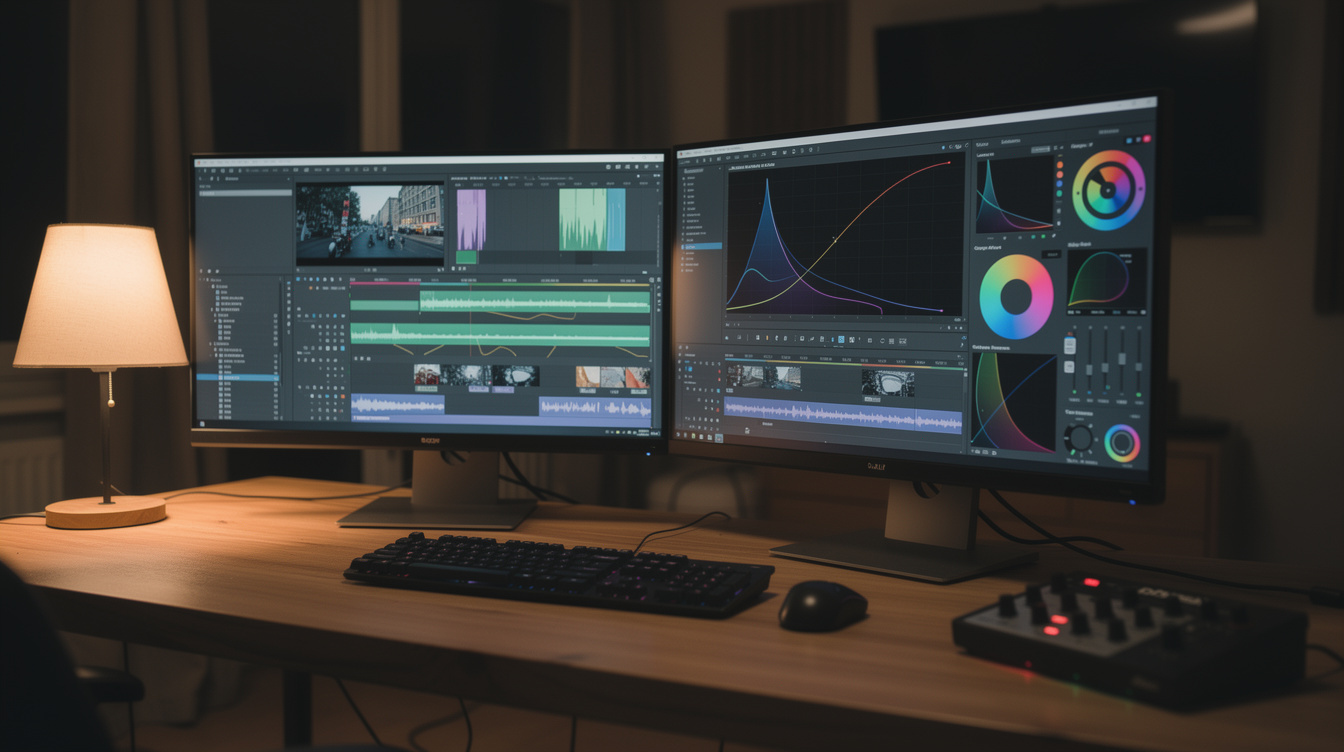
Publish clear content
Cut, caption and file a broadcast-ready report your newsroom can trust.
Course A faculty
Meet your instructors
Working editors, producers and camera operators who teach the workflow they use in their own newsrooms.

Malcolm Hartley
Senior News Editor
25 years shaping evening bulletins for regional and national newsrooms.

Priya Chandra
Television Producer
Leads Course A's newsroom planning module and studio rundowns.

Devon Marsh
Camera Operator
Teaches framing, lighting and multi-camera blocking on the studio floor.

Freya Adams
Field Reporter
Coaches story discovery and delivery for first-time studio reporters.
Six habits every Course A graduate keeps
Verify before you file
Cross-check every source and claim against at least two independent lines of evidence.
Plan the rundown early
Lock your running order and shot list before the studio floor gets busy.
Light for the face, not the room
Key, fill and back light are set to flatter the presenter, not the set.
Keep audio gain consistent
Match levels across mics before recording so edits cut cleanly.
Write for the ear
Scripts are read aloud, not skimmed — short sentences carry better on air.
Review the playback
Every studio report is watched back with a mentor before it airs.
Upcoming cohorts
Choose how you join Course A
Story Discovery
Online · 2 weeks
- Source verification techniques
- Building a defensible line of inquiry
- Live feedback on 2 pitches
Course A: Full Programme
Hybrid · 8 weeks
- All four modules, studio included
- Camera and lighting setup training
- Graded studio report with feedback
- Certificate of completion
Studio Intensive
In-person · 3 days
- Camera setup and framing drills
- Studio report delivery practice
- Small group of 6 reporters
Prices shown are indicative course fees. Registering here does not charge you — our team will confirm availability and payment by email.